
Nike Dynamic Therapy
Conditions Treated
Carpal Tunnel Syndrome
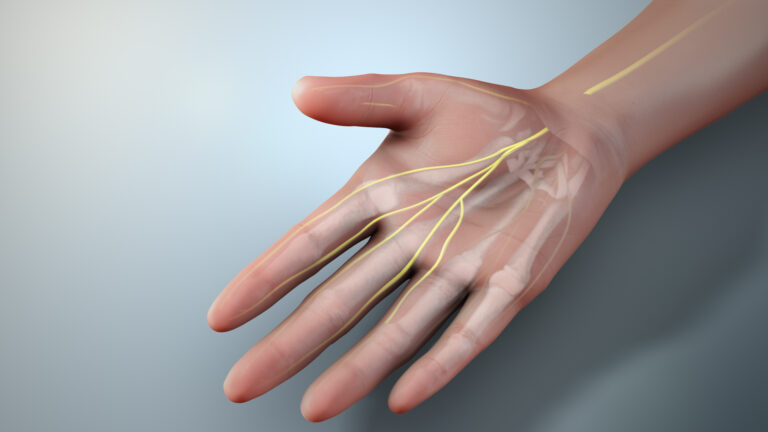
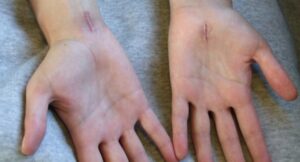
Overview:
Carpal Tunnel Syndrome causes numbness and tingling in the hand due to pressure on the median nerve in the wrist.
Symptoms:
Numbness, weakness, and difficulty gripping objects.
Treatment:
Manual therapy, ergonomic adjustments, custom splints, and therapeutic exercises to reduce inflammation and restore function.
Additional Details:
Causes: Repetitive wrist motion, pregnancy, or underlying health conditions.
Options: Non-invasive methods like splinting and ultrasound, with surgical solutions as a last resort.
Elbow Fractures

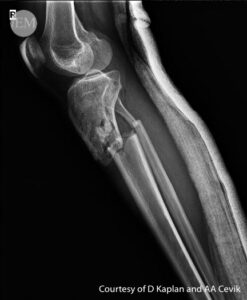
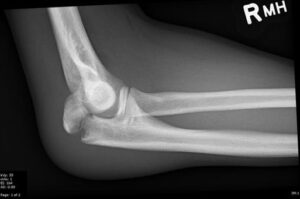
Overview:
Elbow fractures occur when one or more bones in the elbow joint break, typically due to trauma or falls.
Symptoms:
Swelling, pain, bruising, and difficulty bending or straightening the elbow.
Treatment:
Immobilization, manual therapy, and strengthening exercises to restore mobility and function.
Additional Details:
- Causes: Direct impact, falls, or high-force injuries like car accidents.
- Options: Casts or splints for minor fractures; surgical intervention with pins or plates for complex cases.
Radial Tunnel Syndrome
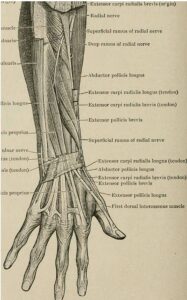
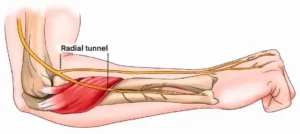
Overview:
Radial Tunnel Syndrome occurs when the radial nerve is compressed, causing forearm pain and weakness.Symptoms:
Pain during forearm rotation and difficulty gripping objects.Treatment:
Manual therapy, nerve gliding exercises, and bracing to reduce nerve irritation.Additional Details:
- Causes: Repetitive motion or overuse of the arm and wrist.
- Options: Conservative therapies and, rarely, surgical decompression.
Content Magnet:
- Diagram of the radial nerve pathway.
- Interactive guide to stretching for Radial Tunnel Syndrome.
Shoulder Fractures & Shoulder Impingement Syndrome
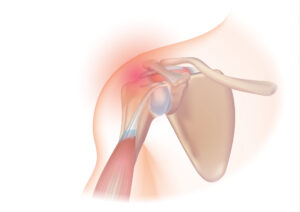
Overview:
Shoulder fractures involve a break in the collarbone, shoulder blade, or upper arm bone, while Impingement Syndrome occurs when shoulder tendons are compressed, causing pain.Symptoms:
Pain, swelling, restricted movement, and weakness in the shoulder.Treatment:
Immobilization, manual therapy, stretching, and strengthening exercises. Impingement may also benefit from posture correction.Additional Details:
- Causes: Falls, accidents, or repetitive overhead motion.
- Options: Physical therapy for impingement, with surgical repair for severe fractures or tendon tears.
Content Magnet:
- Video demonstration of shoulder mobility exercises.
- Interactive posture correction guide for impingement relief.
Wrist Fractures
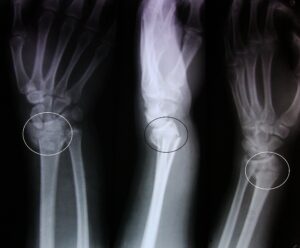
Overview:
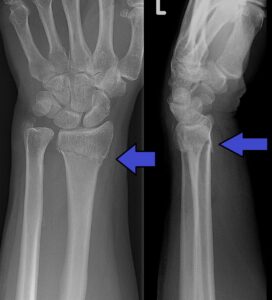
Wrist fractures occur when one or more bones in the wrist break due to trauma or falls.
Symptoms:
Swelling, pain, and reduced wrist mobility.
Treatment:
Immobilization with casts, manual therapy, and a tailored rehabilitation program to restore strength and motion.
Additional Details:
- Causes: Falls on outstretched hands, sports injuries, or osteoporosis.
- Options: Surgical fixation for severe fractures, followed by guided physical therapy.
Content Magnet:
- Visual timeline of wrist fracture recovery.
- Interactive wrist exercise planner for post-fracture care.
Tennis Elbow (Lateral Epicondylitis)
Overview:
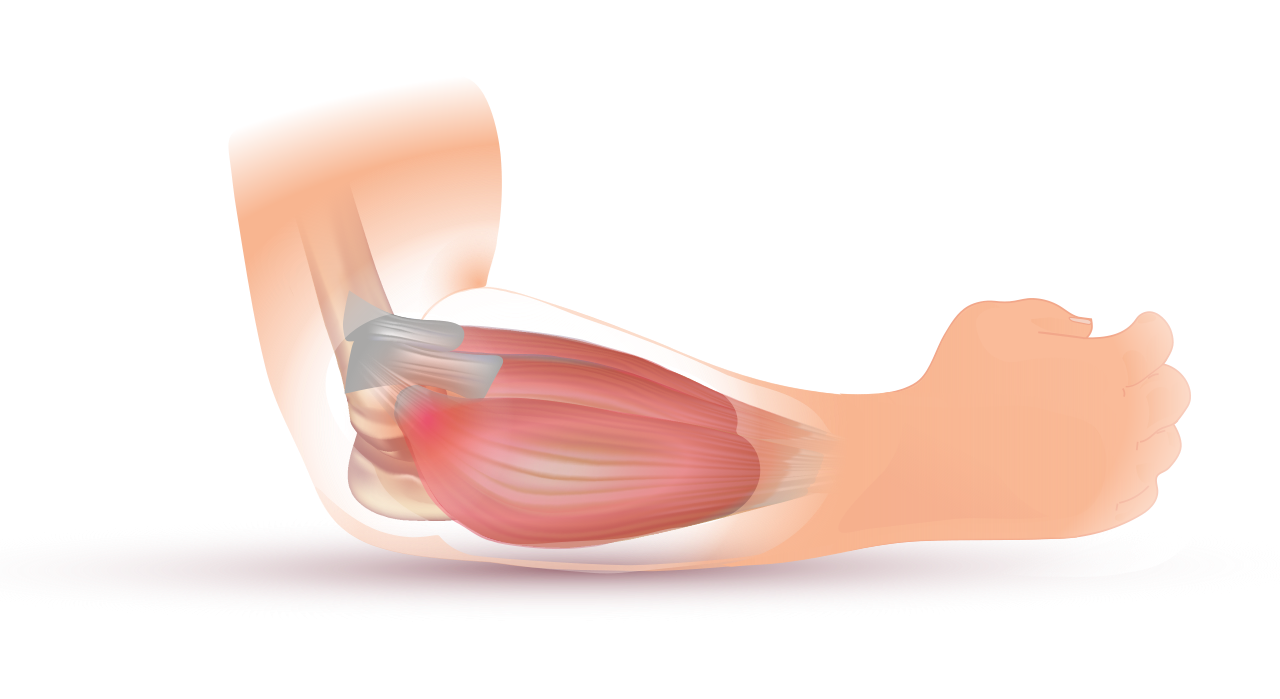
Tennis Elbow is a condition where overuse of the forearm muscles leads to pain and inflammation around the outside of the elbow.
Symptoms:
Pain when gripping objects, lifting, or extending the wrist.
Treatment:
Targeted exercises, manual therapy, bracing, and activity modification to promote healing and reduce pain.
Additional Details:
- Causes: Repetitive wrist or arm movements, especially in activities like tennis or typing.
- Options: Progressive strengthening programs, ultrasound therapy, and, in severe cases, corticosteroid injections or surgery.
Golfer’s Elbow (Medial Epicondylitis)
Overview:
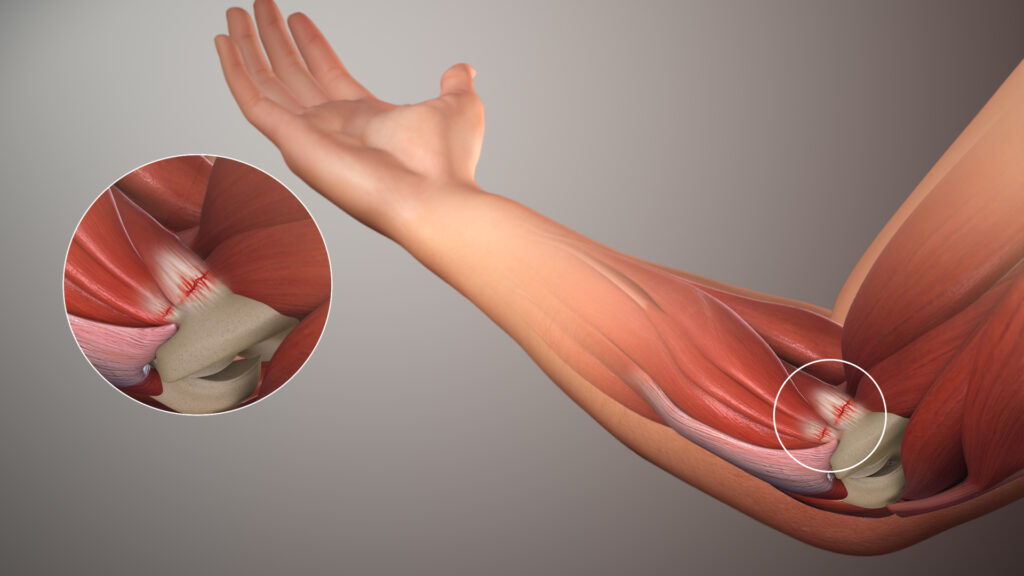
Golfer’s Elbow causes pain and inflammation on the inner side of the elbow due to overuse of the wrist and finger flexors.
Symptoms:
Pain radiating along the inner elbow, weakness, and difficulty gripping.
Treatment:
Stretching and strengthening exercises, manual therapy, and customized braces to relieve strain on tendons.
Additional Details:
- Causes: Repetitive wrist flexion or gripping activities, such as golfing or lifting.
- Options: Non-invasive treatments like splinting and soft tissue mobilization, with surgery for severe cases.
Content Magnet:
- Infographic differentiating Golfer’s Elbow from Tennis Elbow.
- Interactive guide to wrist and elbow stretching routines.
Finger Fractures
Overview:
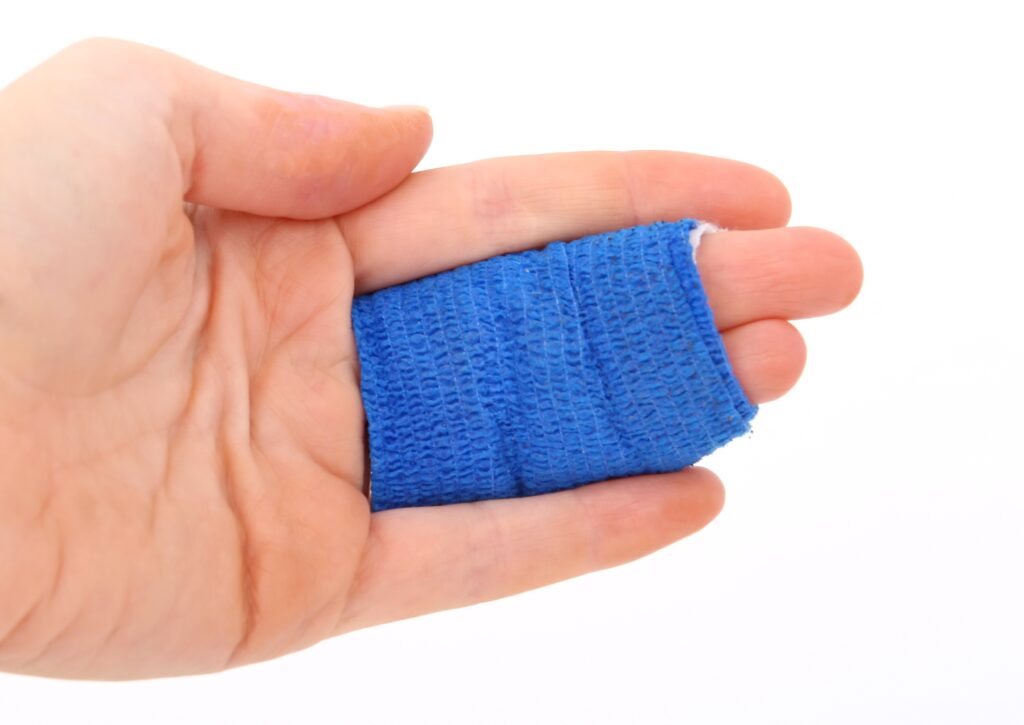
Finger fractures are breaks in the small bones of the fingers, often caused by impact or trauma.
Symptoms:
Swelling, bruising, and difficulty moving the affected finger.
Treatment:
Splinting, manual therapy, and therapeutic exercises to regain mobility and strength.
Additional Details:
- Causes: Sports injuries, crushing accidents, or falls.
- Options: Non-invasive splinting for stable fractures; surgical intervention for misaligned breaks.
Content Magnet:
- Diagram of finger bones and fracture types.
- Interactive guide to at-home finger mobility exercises.
Flexor Tendon Repair & Extensor Tendon Repair Rehabilitation
Overview:
Flexor and extensor tendon injuries require surgical repair and a structured rehabilitation program to restore hand and finger function.Symptoms:
Difficulty bending (flexor) or straightening (extensor) fingers, swelling, and pain.Treatment:
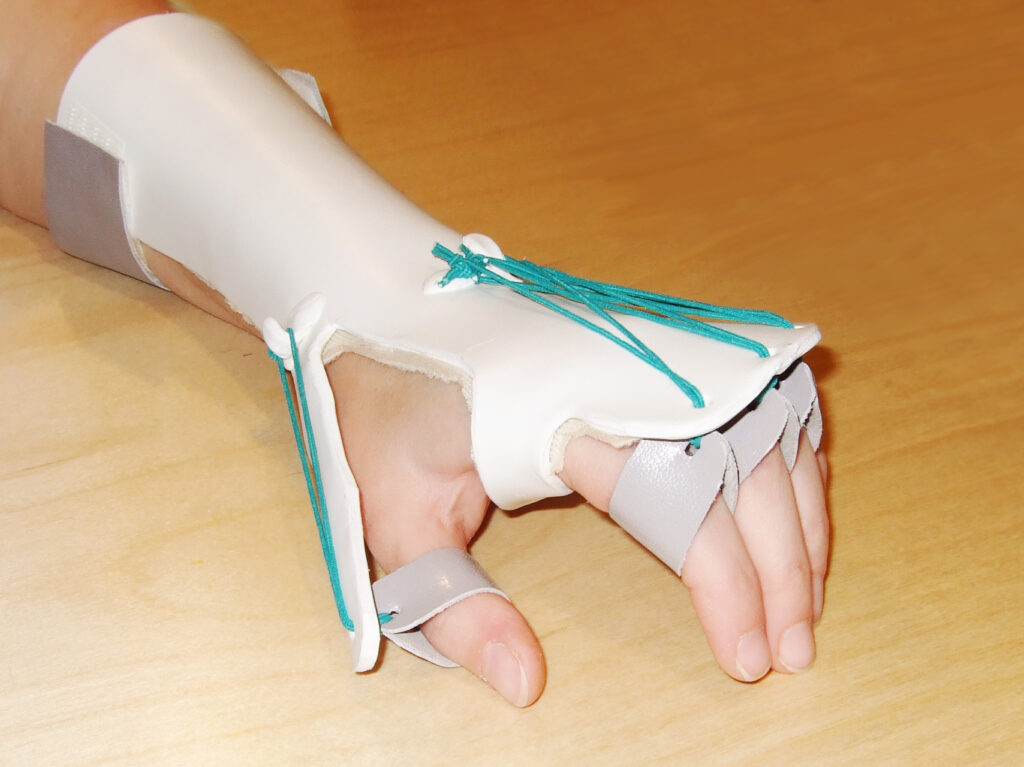
Progressive therapy with splinting, controlled motion exercises, and manual therapy.Additional Details:
- Causes: Cuts, crush injuries, or overuse.
- Options: Post-surgical therapy is critical for successful tendon healing and function recovery.
Content Magnet:
- Infographic on tendon anatomy and the healing process.
- Interactive guide on post-repair hand exercises.
Other Nerve Compressions
Overview:
Nerve compressions occur when nerves are pinched, leading to pain, numbness, or weakness in the affected area.Symptoms:
Tingling, burning, or radiating pain in the hand, wrist, or elbow.Treatment:
Ergonomic adjustments, manual therapy, nerve gliding exercises, and splinting.Additional Details:
- Causes: Repetitive motion, prolonged pressure, or anatomical variations.
- Options: Conservative treatments like bracing and therapy; surgery for severe cases.
Content Magnet:
- Visual guide to common nerve compression syndromes.
- Interactive ergonomic assessment tool.
Thoracic Outlet Syndrome
Overview:
Thoracic Outlet Syndrome results from compression of nerves or blood vessels between the collarbone and first rib, causing arm and shoulder discomfort.Symptoms:
Pain, weakness, numbness in the arm or hand, and poor circulation.Treatment:
Postural correction, manual therapy, and strengthening exercises to relieve compression.Additional Details:
- Causes: Poor posture, repetitive arm motion, or trauma.
- Options: Physical therapy and ergonomic adjustments; surgical decompression in severe cases.
Content Magnet:
- Infographic on Thoracic Outlet anatomy.
- Interactive posture assessment and correction tool.
Complex Regional Pain Syndrome (CRPS)
Overview:
CRPS is a chronic pain condition that typically affects the limbs after an injury or surgery.Symptoms:
Severe burning pain, swelling, sensitivity, and changes in skin color or temperature.Treatment:
Desensitization techniques, manual therapy, and gradual strengthening exercises.Additional Details:
- Causes: Injury, fracture, or nerve damage.
- Options: Multi-modal therapy, including physical therapy, medications, and psychological support.
Content Magnet:
- Infographic explaining CRPS stages.
- Video on pain management techniques for CRPS.
Chronic Hand Pain, Finger Pain, Wrist Pain, Elbow Pain
Overview:
Chronic pain in the hand, wrist, fingers, or elbow can result from underlying conditions, repetitive stress, or nerve involvement.Symptoms:
Persistent discomfort, stiffness, and difficulty with everyday tasks.Treatment:
Manual therapy, ergonomic adjustments, and customized exercises for pain relief and improved function.Additional Details:
- Causes: Repetitive strain injuries, arthritis, or nerve compression.
- Options: Non-invasive therapies and ergonomic tools to reduce strain.
Content Magnet:
- Infographic on common causes of chronic pain.
- Interactive pain tracker for daily monitoring.
Wrist Sprains & TFCC Injuries

Overview:
Wrist sprains involve ligament damage, while TFCC (Triangular Fibrocartilage Complex) injuries affect the cartilage structure stabilizing the wrist.
Symptoms:
Pain, swelling, and reduced wrist strength or motion.
Treatment:
Bracing, manual therapy, and strengthening exercises to restore stability and reduce pain.
Additional Details:
- Causes: Falls, twisting injuries, or repetitive wrist movements.
- Options: Splinting, physical therapy, and surgery for severe TFCC tears.
Content Magnet:
- Diagram of wrist anatomy and TFCC structure.
- Interactive wrist strengthening exercise planner